
Hip Pain Causes & Symptoms: Complete Guide to Understanding Your Discomfort
Identify the Root Cause of Your Hip Pain for Targeted Relief
Hip pain can strike without warning, leaving you confused about what’s causing your discomfort and how to find relief. Whether you’re experiencing sharp shooting pains, dull aches, or stiffness that makes simple movements difficult, understanding hip pain causes is the first step toward effective treatment.
This comprehensive guide explores the most common hip pain symptoms, helping you identify what’s behind your discomfort. You’ll discover how to recognize different types of chronic hip pain, understand hip arthritis symptoms, and learn when your pain signals a serious condition requiring immediate attention.
Understanding Hip Pain
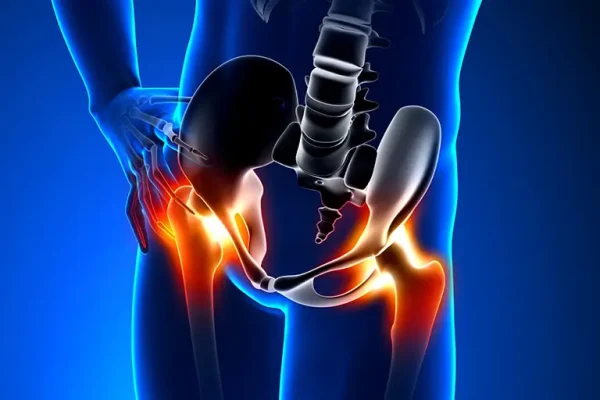
Hip pain affects millions of people worldwide and can significantly impact your quality of life. The hip joint is one of the body’s largest ball-and-socket joints, designed for both stability and mobility. When something goes wrong, the pain can be debilitating.
The complexity of hip pain: Multiple structures around the hip can cause discomfort, including bones, cartilage, muscles, tendons, ligaments, and surrounding tissues.
Pain Location Matters
Hip pain causes vary significantly based on where you feel the discomfort:
- Inside the hip or groin – Usually indicates joint problems
- Outside the hip – Often related to muscle, ligament, or tendon issues
- Buttock pain – May involve the lower back or hip joint
- Thigh pain – Could indicate referred pain from the hip or back
Leading medical institutions like the Mayo Clinic hip pain guidance emphasize that pain location provides crucial diagnostic clues for healthcare providers.
Common Hip Conditions
Hip Arthritis
Hip Arthritis Symptoms:
- Morning stiffness lasting 30+ minutes
- Pain that worsens with activity
- Grinding or clicking sensations
- Reduced range of motion
- Pain radiating to groin, thigh, or buttock
Osteoarthritis is the most common form, affecting the cartilage that cushions hip bones. Rheumatoid arthritis involves immune system attacks on joint tissues.
Research shows that arthritis exercise programs can significantly reduce symptoms when started early.
Hip Bursitis
Hip Bursitis Symptoms:
- Sharp, intense pain on the outside of hip
- Pain worsens when lying on affected side
- Discomfort when climbing stairs
- Aching that spreads down the thigh
- Increased pain after periods of activity
Trochanteric bursitis affects the bursa on the outer hip, while iliopsoas bursitis involves the inner hip area near the groin.
Hip Impingement
Femoroacetabular Impingement (FAI) Symptoms:
- Deep groin pain during activity
- Stiffness in the front of the hip
- Difficulty with deep squatting or sitting
- Sharp pain with pivoting movements
- “Catching” sensation in the hip
This condition occurs when the ball and socket of the hip joint don’t fit together properly, causing friction and damage over time.
Hip Fractures
Hip Fracture Symptoms:
- Severe pain in hip or groin
- Inability to put weight on affected leg
- Stiffness, bruising, and swelling
- Shorter leg on the injured side
- Outward turning of the leg
Hip fractures are medical emergencies requiring immediate attention, especially in older adults.
Symptom Patterns
Acute Pain
Sudden onset hip pain typically results from:
- Injury or trauma – Falls, sports injuries, accidents
- Muscle strains – Overstretching or tearing of hip muscles
- Sudden movements – Twisting or pivoting motions
Harvard Health research on hip injury patterns shows that acute pain often responds well to immediate rest and appropriate treatment.
Chronic Conditions
Chronic hip pain develops gradually and persists for months or years:
- Progressive joint deterioration – Gradual cartilage breakdown
- Inflammatory conditions – Ongoing tissue inflammation
- Repetitive stress – Overuse from activities or occupations
Pain Triggers
Common hip pain triggers:
- Morning stiffness – Often indicates arthritis
- Activity-related pain – Suggests mechanical problems
- Weather sensitivity – May indicate inflammatory conditions
- Night pain – Could signal serious underlying conditions
Age-Related Factors
Young Adults
Hip pain causes in younger people often include:
- Sports injuries – Strains, tears, and overuse injuries
- Hip impingement – Structural abnormalities
- Growth-related issues – Developmental conditions
- Muscle imbalances – From prolonged sitting or poor posture
Middle Age
Common issues in the 40-60 age group:
- Early arthritis – Beginning joint degeneration
- Bursitis – Inflammation from repetitive activities
- Tendon problems – Wear and tear from daily activities
- Weight-related stress – Increased joint loading
Older Adults
Senior-specific hip pain causes:
- Advanced arthritis – Significant joint deterioration
- Fracture risk – Increased bone fragility
- Multiple conditions – Combination of age-related changes
- Medication effects – Side effects from various treatments
Warning Signs
Immediate Attention
Seek emergency care if you experience:
- Sudden, severe hip pain after a fall
- Inability to bear weight on the leg
- Obvious deformity around the hip joint
- Signs of infection (fever, warmth, redness)
- Numbness or tingling in the leg
Medical Evaluation
Consult a healthcare provider for:
- Pain lasting more than a few days
- Pain that interferes with daily activities
- Progressive worsening of symptoms
- Hip pain accompanied by swelling
- Limited range of motion
Clinical studies demonstrate that early intervention improves outcomes for most hip conditions.
Diagnostic Considerations
Physical Examination
Healthcare providers assess:
- Range of motion – How far the hip moves in different directions
- Strength testing – Muscle power around the hip
- Gait analysis – How you walk and move
- Pain location – Specific areas of tenderness
Imaging Studies
Common diagnostic tests:
- X-rays – Show bone structure and joint changes
- MRI scans – Reveal soft tissue problems
- CT scans – Provide detailed bone images
- Ultrasound – Assess soft tissues and guide injections
Risk Factors
Lifestyle Factors
Modifiable risk factors:
- Excess weight – Increases joint stress
- Sedentary lifestyle – Weakens supporting muscles
- Poor posture – Creates muscle imbalances
- Repetitive activities – Causes overuse injuries
Non-Modifiable Factors
Inherited or unchangeable risks:
- Age – Joint wear increases over time
- Gender – Women have higher arthritis risk
- Genetics – Family history of joint problems
- Previous injuries – Past trauma affects joint health
Hip Pain FAQ
What does hip arthritis pain feel like?
Hip arthritis symptoms typically include deep, aching pain in the groin or front of the hip that worsens with activity. You may experience morning stiffness lasting 30+ minutes, difficulty with stairs, and a grinding sensation during movement. The pain often radiates to the buttock or thigh.
How do I know if my hip pain is serious?
Serious hip pain causes include sudden severe pain after injury, inability to bear weight, obvious deformity, fever with hip pain, or progressive numbness and tingling. Chronic hip pain lasting more than a few weeks or interfering with daily activities also warrants medical evaluation.
Can hip pain cause back pain?
Yes, hip problems often cause compensatory changes in posture and movement patterns that can lead to back pain. Conversely, back problems can refer pain to the hip area. This interconnection makes proper diagnosis crucial for effective treatment.
What’s the difference between hip bursitis and arthritis?
Hip bursitis typically causes sharp, burning pain on the outside of the hip that worsens when lying on that side. Hip arthritis symptoms involve deeper, aching pain in the groin or front of the hip with stiffness and reduced range of motion. Bursitis pain is often more localized and acute.
When should I see a doctor for hip pain?
Consult a healthcare provider if you experience hip pain symptoms lasting more than a few days, pain that interferes with daily activities, progressive worsening, or any warning signs like inability to bear weight, severe pain after injury, or signs of infection.
Key Takeaways
Understanding hip pain causes and symptoms helps you:
✅ Identify pain patterns – Recognize whether your discomfort is acute or chronic
✅ Locate the source – Understand how pain location indicates different conditions
✅ Recognize warning signs – Know when to seek immediate medical attention
✅ Track symptom changes – Monitor how your pain evolves over time
✅ Communicate effectively – Describe symptoms clearly to healthcare providers
✅ Make informed decisions – Choose appropriate treatment approaches
✅ Prevent complications – Address problems before they worsen
Remember: Accurate identification of hip pain causes is essential for effective treatment. While some conditions can be managed with conservative approaches, others require professional medical intervention. Understanding your hip pain symptoms empowers you to make informed decisions about your health and seek appropriate care when needed.
Your journey to pain-free living begins with understanding what’s causing your discomfort. Armed with knowledge about hip arthritis symptoms, chronic hip pain patterns, and warning signs, you can work with healthcare providers to develop the most effective treatment plan for your specific condition.
This guide provides general information about hip pain exercises. Always consult with a healthcare professional before starting any new exercise program, especially if you have existing medical conditions or severe pain.